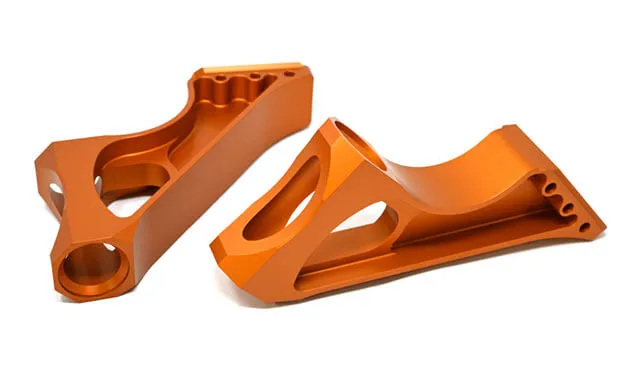
3D printing, also known as additive manufacturing, is a form of rapid prototyping technology. It uses digital 3D models and adhesive materials like powdered metal or plastic to build objects layer by layer.
Flexi Mould offers 3D printing services to clients in areas such as plastic mold creation, industrial design, robotics and automation. Over time, it’s also been used for direct product manufacturing. The technology is applied in various fields, including jewelry, footwear, industrial design, architecture, automotive, aerospace, medical and dental sectors, education, geographic information systems, civil engineering, firearms, and more.
Our 3D Printing Process
Dive into the compelling statistics that reflect Flexi Mould’s decades-long expertise, millions of products delivered, and a global clientele in mold-making.
1
Design Preparation
Using 3D modeling software, TDL creates a detailed digital blueprint of the desired part. This virtual model serves as the foundation for the 3D printing process.
2
Slicing
The digital model is then divided into numerous thin layers, or “slices”. This slicing process translates the 3D model into instructions for the printer, guiding it layer by layer.
3
3D Printing
The printer lays down material (such as plastic, resin, or metal) one layer at a time based on the slicing instructions. It repeats this process until the part is complete.
4
Post-Processing
After the part is printed, it undergoes various post-processing steps such as support removal, surface finishing, or curing to ensure it meets the desired specifications and quality standards.